Interac casino deposit declined? How to find the cause before you try again
Payments
Last checked: · CasinoReporters desk
Most declined Interac casino deposits come down to one of four things: a bank limit, a bank's right to stop gambling transactions, an account that does not match your casino profile, or a payment method that no longer exists. Interac itself does not hold or trace funds, so the answer sits with your bank and the operator's cashier. The checklist below separates the causes in the order that saves the most time.
On this page10 sections
- Who actually says no when an Interac deposit fails?
- Is your bank's limit smaller than the deposit?
- Has your bank reserved the right to block gambling payments?
- Does the account you pay from match your casino profile?
- Are you trying to use a service that has been retired?
- How do you diagnose a declined deposit, step by step?
- What happens to money that left your bank but never arrived?
- Where will your withdrawal go?
- Should you switch to a credit card if Interac keeps failing?
- Frequently asked questions
Who actually says no when an Interac deposit fails?
Interac runs the network, but it does not approve or refuse individual payments for you. Its consumer FAQ states that Interac "does not hold funds and is unable to trace funds" and that issues affecting an e-Transfer should go to your financial institution. The same page says Interac cannot help with transactions, account issues or limit increases.
That leaves three parties that can stop a casino deposit:
- Your bank or credit union, which sets your limits, runs fraud checks and decides which transaction types it will allow.
- The operator's cashier, which decides whether a deposit can be credited to your player account, based on its own verification and payment rules.
- The payment provider in between, which connects the operator to the banking system and only works with banks that support its service.
A decline message rarely tells you which of the three refused. The order of checks below is built to eliminate them one at a time.
Is your bank's limit smaller than the deposit?
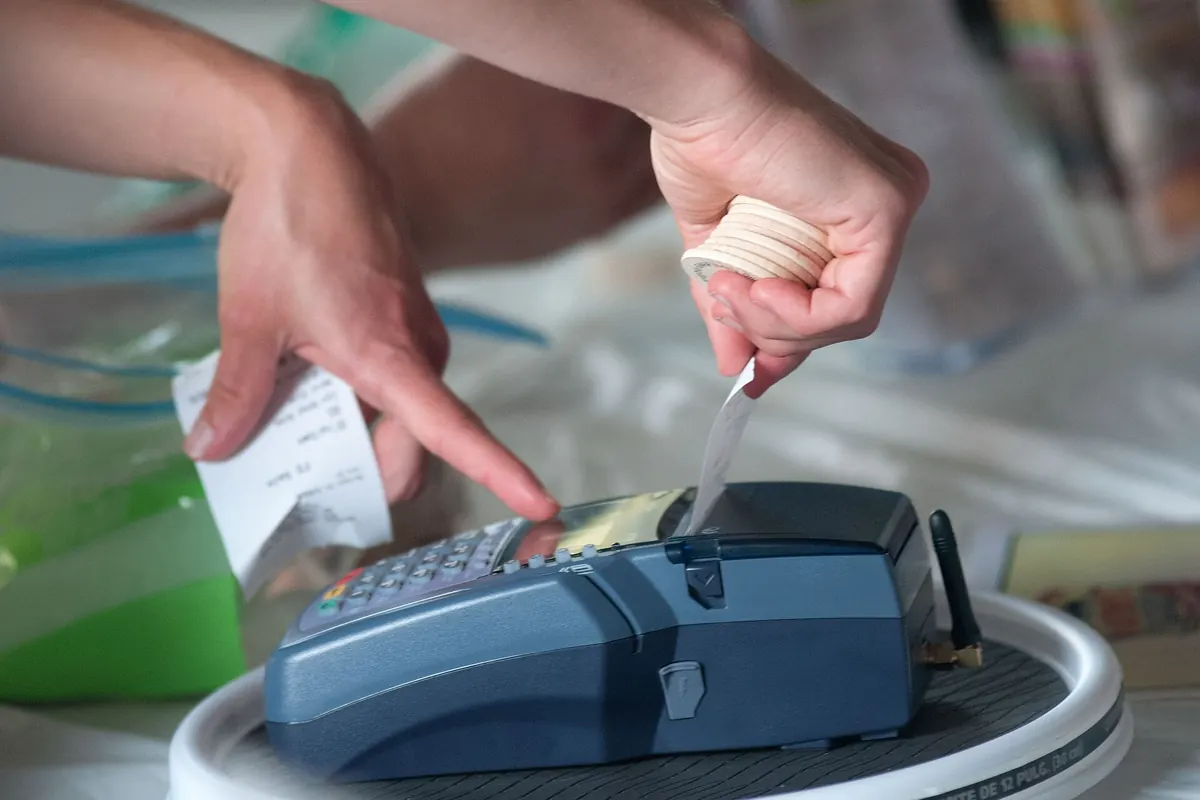
Interac's own guide to e-Transfer says transaction limits are set by your financial institution and are usually around C$2,000 to C$3,000 per transaction for consumers, with higher limits possible on business accounts. Interac e-Transfer for Business can reach C$25,000 per transaction, again depending on the institution and the account type.
Banks publish their own figures. RBC, for example, says all clients can send up to C$10,000 per day through the RBC Mobile app once they pass identity verification, and that this limit cannot be increased or decreased. RBC points clients to "Daily Transaction Limits" under Account Management in online banking, or to the account details in the mobile app, to see what applies to them.
Limits stack. A per-transaction cap, a daily total and any rolling weekly or monthly total all have to have room at the same time. If your per-transfer cap were C$2,000, a C$2,500 deposit would need two transfers (C$2,000 and C$500), and both would count against the same daily total. Check the operator's cashier too: its own maximum per Interac deposit may be lower than your bank's.
Has your bank reserved the right to block gambling payments?
Several Canadian banks write this into their agreements. RBC's Virtual Visa Debit agreement reserves the right to prevent the card number being used for certain types of transactions, "including but not limited to transactions connect to Internet gambling." CIBC's cardholder agreement says it may block transactions it can identify as internet gambling. Tangerine's credit card agreement allows it to decline transactions connected to mobile or online gambling without telling you in advance.
These clauses give the bank discretion; they do not promise that every gambling payment will be blocked or that every one will go through. If one bank declines and another processes the same deposit, the difference is usually the bank's policy rather than the casino. The only reliable way to find out is to ask your bank directly whether it is refusing gambling-related transfers on your account.
Does the account you pay from match your casino profile?
Regulated sites in Ontario work under the AGCO's Registrar's Standards for Internet Gaming. Standard 5.69 says players may deposit only after the appropriate verifications and authorization, and that deposits must be authorized by a financial services provider. Standard 5.70 says withdrawals may go only to an account of which the player is a legal holder.
In practice that means three things to check before blaming the bank:
- The bank account is in your own name, not a partner's or a joint account where you are not the holder the operator verified.
- The name, date of birth and address in your casino profile match your bank's records and your ID.
- Your account has passed the operator's identity verification. An unverified account can be refused at the deposit stage.
Interac's guide notes that, when a recipient has Autodeposit set up, the sender sees the recipient's legal name before sending. If you send a manual e-Transfer and the name shown is not the operator or its named payment provider, stop and check with the operator's support before sending.
Are you trying to use a service that has been retired?
Older casino guides still mention Interac Online, the debit payment that redirected you to online banking at checkout. Credit unions told members that Interac was decommissioning Interac Online with all credit unions on May 31, 2024, citing a decreasing number of merchants accepting it. The same notices said Interac e-Transfer was not affected. If a cashier still lists Interac Online, it will not work.
A newer route has replaced some of that flow. Interac's Business Request Money service lets a consumer open an account with a licensed lottery and gaming operator and fund it instantly by approving a Business Request Money transaction in online banking. Interac lists BMO, CIBC, DC Bank, Peoples Trust and Scotiabank as the institutions currently offering it, and says pre-established payment consent sends deposits to a single source. If your bank is not on that list, the operator's "instant" Interac option may not be available to you from that bank, even though an ordinary e-Transfer still is.
How do you diagnose a declined deposit, step by step?
- Read the exact message. Note whether it appeared on the casino's cashier page or in your banking app. A decline inside your banking app points to your bank; a refusal on the cashier page before the bank opens points to the operator or its provider.
- Check your bank balance and limits. Open the daily transaction limits page in your online banking. Confirm the deposit fits the per-transaction cap, the daily total and anything already sent today.
- Check the cashier's own minimum and maximum. A deposit below the operator's minimum or above its Interac maximum is refused regardless of your bank.
- Confirm your casino account is verified. Under AGCO Standard 5.69, regulated Ontario operators accept deposits only after the appropriate verifications. Upload any outstanding documents first.
- Match names. Make sure the account you are paying from is yours and the name matches your player profile.
- Wait out the fraud check. Interac says deposit times can vary because of routine fraud checks between institutions, and its FAQ says transfers can take up to 30 minutes depending on the bank. Do not send a second transfer while the first is pending.
- Call your bank. Ask whether the transfer was stopped for fraud review, for a limit, or under a policy on gambling transactions. Interac's FAQ sends all troubleshooting there.
- Contact the operator last, with details. Give the time, amount and any reference number. If the money left your bank but did not reach your balance, the operator and its payment provider are the ones who can trace it.
What happens to money that left your bank but never arrived?
An e-Transfer that has not been deposited can usually be cancelled by the sender. Interac's guide says you cannot cancel once the recipient has deposited it. RBC's terms show how banks handle the rest: you have 15 days after sending to cancel without charge, transfers expire 30 days after they are sent, and a C$5.00 reclaim fee applies when a recipient does not accept a transfer before it expires. Other banks set their own rules and fees.
If the money was deposited by the operator's provider but never showed in your player balance, your bank cannot pull it back. That is a matter for the operator, which should be able to match the amount and time against its provider's records. On an AGCO-registered site the operator is answerable to a provincial regulator; on an offshore site, there is no provincial regulator to turn to.
Where will your withdrawal go?
Deposits and withdrawals are linked. AGCO Standard 5.70 requires that withdrawals on regulated Ontario sites go only to an account the player legally holds, and Standard 5.78 requires the operator to disclose its deposit and withdrawal rules. Standard 5.77 says players must get unambiguous information about all account fees before making a deposit or withdrawal.
The practical consequence: deposit from the bank account you want winnings paid back to. If you fund an account from one bank and later ask for an Interac withdrawal to a different one, expect extra verification. Our guide to KYC documents for withdrawals lists what operators usually ask for, and the Interac casino payments page covers how the method compares with others.
Should you switch to a credit card if Interac keeps failing?
Think twice. Canadian card issuers generally treat gambling charges as cash-like transactions, which means cash-advance fees and interest from the day of the transaction. The numbers are worked through in our article on credit card casino deposits. If Interac is declined because your bank refuses gambling transactions, moving the same deposit onto that bank's credit card often meets the same policy.
If repeated declines are a sign you are chasing a loss, the support lines are free: ConnexOntario at 1-866-531-2600 in Ontario, and the Responsible Gambling Council for every province. Players in Ontario can compare registered sites on our Ontario casinos page.
Where you can play
 Betum300% up to C$4,500 + 300 free spinswagering not stated in the offerVisit casino
 HellSpin CasinoUp to C$5,200 + 150 free spins over 4 depositsnot registered with iGaming OntarioVisit casino
 Casinoly Casino300% up to C$4,500 + 300 free spinsnot registered with iGaming OntarioVisit casino
Advertising · not shown to Ontario residents · 19+ · Operator T&Cs apply · Play responsibly
Frequently asked questions
Can Interac tell me why my casino deposit was declined?
No. Interac says it does not hold or trace funds and cannot help with transactions, account issues or limit increases. Your bank or credit union is the place to ask, and the operator for anything that left your bank but did not reach your balance.
What is the usual Interac e-Transfer limit?
Interac says consumer limits are set by each financial institution and are usually around C$2,000 to C$3,000 per transaction. Banks also set daily totals; RBC, for example, lists up to C$10,000 per day through its mobile app after identity verification.
Does Interac Online still work at casinos?
No. Credit unions told members that Interac was decommissioning Interac Online with all credit unions on May 31, 2024. Interac e-Transfer was not affected and remains the Interac option at cashiers.
Can I deposit from my partner's bank account?
On a regulated Ontario site, withdrawals can go only to an account you legally hold, under AGCO Standard 5.70. Funding from someone else's account creates a mismatch the operator will flag, so use an account in your own name.
How long should I wait before trying again?
Interac says transfers can take up to 30 minutes depending on the bank, and deposit times vary because of routine fraud checks. Check your banking app for a pending transfer before you send a second one.
Sources
- Interac: Interac e-Transfer 101
- Interac: Personal FAQ, Interac e-Transfer
- Interac: Send and receive money with Interac e-Transfer for Business
- Interac: Business Request Money
- RBC Royal Bank: Interac e-Transfer
- RBC Royal Bank: Virtual Visa Debit Agreement
- CIBC Cardholder Agreement
- Tangerine Credit Card Cardholder Agreement
- Credit union notice: Interac Online decommissioning
- AGCO: Registrar's Standards for Internet Gaming
How we are fundedIf you sign up through a link, we may earn a commission; it has no effect on the review.19+Help: ConnexOntario 1-866-531-2600
Read next
 PaymentsCredit card casino deposits: why your bank bills them as a cash advanceCanadian banks treat casino card deposits as cash-like transactions: a cash-advance fee, interest from day one, no grace period.
 PaymentsCasino KYC in Canada: why your withdrawal stalls and which documents clear itWhy a Canadian casino withdrawal stalls at KYC: FINTRAC and AGCO rules, which documents are asked for, common rejection reasons and a step list.
 PaymentsUSD casino accounts: what currency conversion costs a Canadian playerWhy a USD casino account costs Canadians twice: where conversion happens, what a 2.5% bank markup does to C$500, and how to avoid double conversion.